
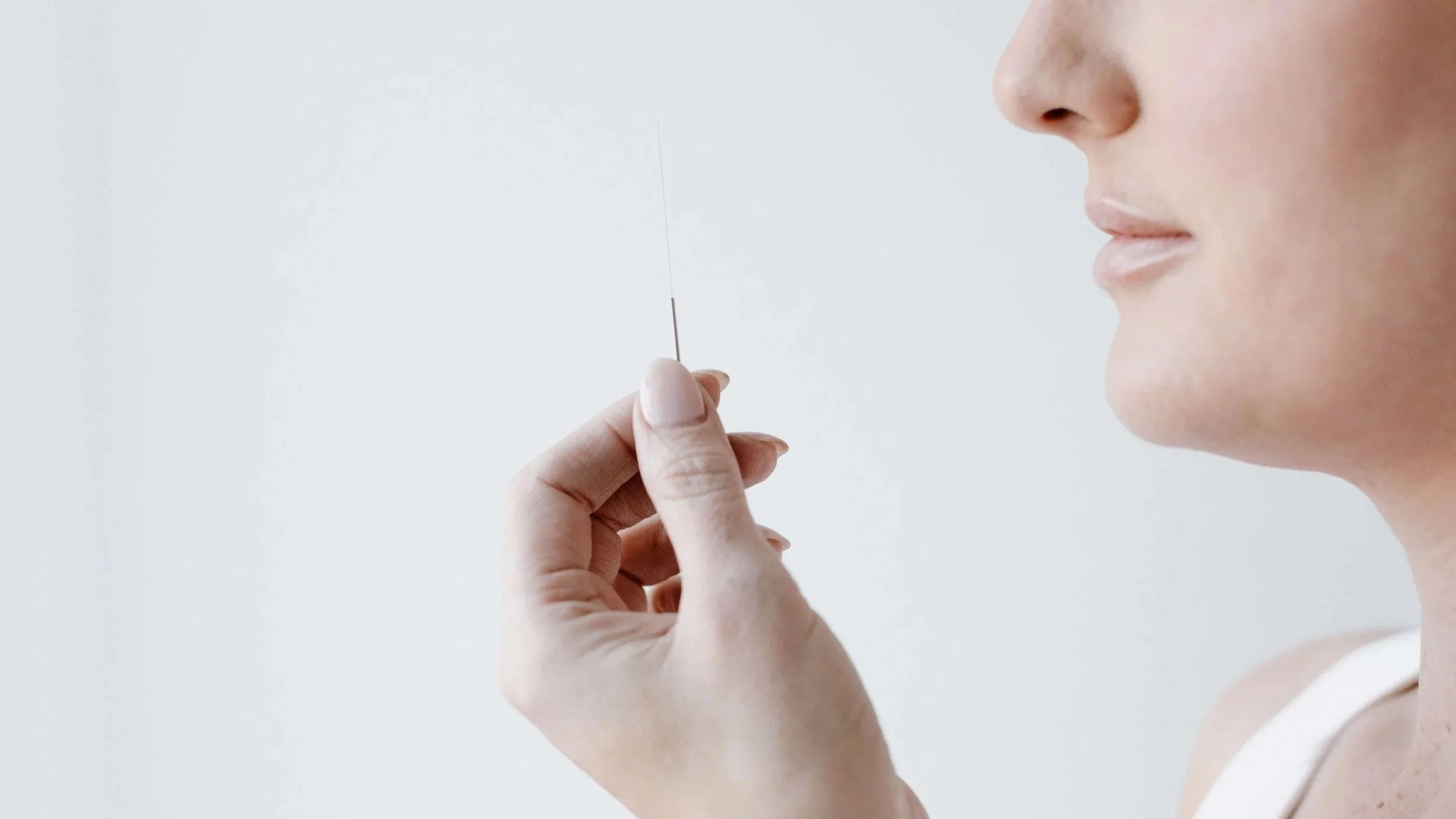
HERE'S WHAT THE RESEARCH SHOWS
DOES ACUPUNCTURE WORK?
Straight answer: Yes, acupuncture works—and we can explain exactly how, backed by decades of research from major medical institutions.
If you're here because you want proof before trying acupuncture, that makes sense. You shouldn't trust health treatments based on mystical explanations or anecdotal stories alone. You deserve real evidence.
Here's what the research actually shows about acupuncture effectiveness, how it works in your body, and what to expect from treatment.
THE RESEARCH IS CLEAR:
ACUPUNCTURE WORKS FOR MANY CONDITIONS
Between 2017-2022 alone, researchers published 862 systematic reviews and meta-analyses examining acupuncture's effectiveness across 184 different medical conditions.
The results? Evidence of positive effect for 10 medical conditions, with another 82 showing evidence of potential positive effect.
That's not "maybe it works if you believe hard enough." That's high-quality research from institutions like Harvard Medical School, the National Institutes of Health, and major medical journals showing measurable, reproducible results.
The evidence base for acupuncture has exploded over the last two decades.
FDA regulates acupuncture needles as medical devices
WHO recognizes acupuncture as effective for over 100 conditions
National Institutes of Health funds extensive acupuncture research
Major medical centers (Cleveland Clinic, Mayo Clinic, Memorial Sloan Kettering) offer acupuncture
The question isn't "does acupuncture work?" anymore. The question medical researchers are now asking is: "For which conditions is the evidence strongest, and what's the optimal treatment approach?"
Ready to try evidence-based acupuncture? Book your first session →
Major organizations now recognize acupuncture's effectiveness:
HOW ACUPUNCTURE ACTUALLY WORKS
Forget energy flow and mystical meridians. Here's what actually happens in your body when acupuncture needles go in:
NERVOUS SYSTEM REGULATION
Harvard researchers identified specific sensory neurons that must be present for acupuncture to trigger its anti-inflammatory response. When needles stimulate these neurons, they activate the vagal-adrenal axis—a pathway connecting your nervous system to your immune system.
What this means for you: Acupuncture helps shift your nervous system out of chronic fight-or-flight mode and into a state where healing can actually happen. This vagus nerve activation directly reduces systemic inflammation throughout your body.
INFLAMMATION REDUCTION
Acupuncture markedly reduces inflammatory response by regulating multiple immune pathways, including reducing TNF-α, IL-1β, IL-6, and other pro-inflammatory markers while increasing anti-inflammatory factors like IL-10.
What this means for you: Whether you're dealing with arthritis, autoimmune conditions, or chronic pain, acupuncture helps calm the inflammatory cascade that's causing your symptoms.
PAIN RELIEF MECHANISMS
Acupuncture's analgesic effects work through multiple neuronal pathways and neurotransmitters at both spinal cord and brain levels, regulating complex associations among pain-related molecules.
What this means for you: Acupuncture doesn't just mask pain—it addresses multiple pain pathways simultaneously, which is why it often works when single-mechanism pain meds don't.
NERVE REPAIR AND REGENERATION
Acupuncture promotes proliferation and migration of Schwann cells and releases neurotrophic substances like nerve growth factors, accelerating regeneration and repair of nerve fibers.
What this means for you: For nerve pain, neuropathy, or nerve damage, acupuncture actively supports your body's healing processes—not just symptom management.
WHAT CONDITIONS HAVE THE STRONGEST EVIDENCE?
-
A major meta-analysis of chronic pain studies found effect sizes for acupuncture comparable to or better than commonly prescribed NSAIDs, with acupuncture showing effect size of 0.23-0.40 versus placebo.
Strongest evidence for:
Back pain - Moderate evidence shows acupuncture provides significant pain reduction immediately after treatment for both acute and chronic low back pain compared to sham or placebo acupuncture.
Neck and shoulder pain
Osteoarthritis
Sciatica and nerve pain
What the research shows: For chronic pain, studies show either 2 sessions per week or higher frequency greater than 2 sessions per week achieves higher pain relief rates, with benefits remaining at high levels (greater than 20%) up to 18 weeks after treatment.
-
The fertility research is particularly compelling:
A meta-analysis of 25 high-quality randomized controlled trials involving 4,757 participants found that acupuncture can increase IVF live birth rates by 33.8%.
Acupuncture was 42% more effective to increase live births when women had previously failed an IVF cycle, with more treatments and timing before embryo transfer showing better outcomes.
Strongest evidence for:
IVF support (before and after embryo transfer)
Natural fertility optimization
Hormone regulation
PCOS management
-
Acupuncture alleviates neuroinflammation by inhibiting activation of the NLRP3 inflammasome pathway, thereby improving progression of central nervous system conditions including depression and anxiety.
Strongest evidence for:
Depression
PTSD support
-
Strong research base for:
Menstrual irregularities
PMS and PMDD
Menopause symptoms
-
Evidence also supports acupuncture for:
Digestive disorders (IBS, nausea)
Post-surgical recovery
Chemotherapy side effects
Immune system support
the research shows acupuncture is most effective for:
HOW QUICKLY DOES ACUPUNCTURE WORK?
This depends entirely on what you're treating and how long you've had the condition.
ACUTE CONDITIONS (sudden injuries, recent flare-ups)
For acute conditions, an average of 2-3 sessions are recommended, with Cleveland Clinic confirming that acupuncture's effects are cumulative and build up with each treatment.
What to expect:
Some people feel relief during or immediately after first treatment
Most notice significant improvement within first week
2-3 treatments often sufficient for acute issues
CHRONIC CONDITIONS (ongoing for months or years)
For chronic cases, Cleveland Clinic recommends treatment at least twice weekly for the first 3-6 weeks, followed by a maintenance phase ranging from once weekly to once monthly.
Research shows that lower frequency with 2 sessions per week or higher frequency greater than 2 sessions per week can achieve higher pain relief rates, with effects remaining at high levels up to 18 weeks after treatment.
What to expect:
First few sessions: Your body begins learning new patterns
Weeks 2-4: More consistent symptom relief
Weeks 4-8: Significant improvement in main concerns
After 8-12 weeks: Transition to maintenance frequency
Studies found that pain relief rates drop sharply after 18 weeks without maintenance treatment, suggesting acupuncture should be reconsidered at 18 weeks to reinforce effects.
REALISTIC TIMELINE FOR COMMON CONDITIONS:
Chronic pain: Biweekly sessions of needle acupuncture for 8 weeks of treatment showed significant effects in pain improvement for conditions like osteoarthritis knee, while less frequent treatment (less than once per week) did not improve outcomes.
Fertility/IVF: More treatments and timing before embryo transfer showed better outcomes, with the modified Paulus protocol (treatment day of embryo transfer) being most favorable.
Mental health: Weekly sessions for 6-8 weeks typically, then maintenance every 2-4 weeks
Most people notice:
Improved sleep quality (often first improvement)
Better stress management
Reduced pain or symptom intensity
More energy and overall resilience


Here's what the research shows about treatment frequency:
Acupuncture's effects are cumulative and build up with each treatment. Frequent sessions help control inflammation and pain, relax muscles, and increase circulation quicker than sparsely distributed appointments.
Think of it like physical therapy or going to the gym—your body needs consistent input to learn new patterns and maintain improvements.
Typical progression:
Initial phase (first 3-6 weeks): Weekly or twice-weekly treatments while your body adapts
Transition phase (weeks 6-12): Gradually space out as symptoms improve
Maintenance phase (ongoing): Every 2-4 weeks to prevent symptom return
Research confirms that pain relief remained at high levels greater than 20% up to 18 weeks after treatment, then dropped sharply below 10% with extended follow-up, highlighting the importance of maintenance sessions.
WHY CONSISTENT TREATMENT MATTERS
IS ACUPUNCTURE SAFE?
Yes—when performed by licensed practitioners, acupuncture is extremely safe.
Safety profile:
All needles are sterile, single-use, FDA-regulated medical devices
Research shows acupuncture has an excellent safety profile, especially compared to medications routinely used in clinical practice.
Side effects are minimal (occasional mild soreness or light bruising)
No risk of dependency or drug interactions
Can be used alongside other treatments safely
Much safer than: Most pain medications, long-term NSAID use, or ignoring chronic health conditions
WHAT ABOUT PLACEBO EFFECT?
This question comes up a lot. Here's what research shows:
Meta-analyses comparing acupuncture to sham acupuncture (needles that don't penetrate skin) found that real acupuncture produces significantly better results, suggesting specific physiological effects beyond placebo.
The evidence shows:
Real acupuncture outperforms sham acupuncture consistently
Physiological changes (inflammation markers, nerve conduction, blood flow) are measurable
Effect sizes are comparable to standard medical treatments
Benefits last well beyond single session (not typical for placebo)
Plus: Even if acupuncture partially worked through placebo mechanisms, given acupuncture's excellent safety profile and evidence that its non-specific effects are particular to acupuncture and not easily reproduced, this doesn't diminish its clinical value.
BOTTOM LINE: DOES ACUPUNCTURE WORK?
Yes—with strong evidence from high-quality research showing:
Measurable physiological effects on nervous system, inflammation, and pain pathways
Comparable or better results than many standard medical treatments
Excellent safety profile with minimal side effects
Cumulative benefits that build with consistent treatment
Long-lasting effects when properly maintained
Acupuncture isn't magic. It's medicine that works through well-understood physiological mechanisms to help your body regulate inflammation, manage pain, and restore healthy function.
The evidence is there. The mechanisms make sense. The safety profile is excellent. And thousands of people use it successfully as part of their regular healthcare.
READY TO TRY EVIDENCE-BASED ACUPUNCTURE?
we’re here when you’re ready.
we’re here when you’re ready.
We provide straightforward acupuncture treatment backed by research
RESEARCH CITATIONS
SYSTEMATIC REVIEWS & META-ANALYSES
Van den Berg-Wolf M, Rotter T. "The state of evidence in acupuncture: A review of metaanalyses and systematic reviews (2017–2022)." ScienceDirect, 2025.
https://www.sciencedirect.com/science/article/pii/S096522992500024X
Hempel S, et al. "Use of Acupuncture for Adult Health Conditions, 2013 to 2021: A Systematic Review." JAMA Network Open, 2022.
https://jamanetwork.com/journals/jamanetworkopen/fullarticle/2798899
Vickers AJ, et al. "Acupuncture for chronic pain: update of an individual patient data meta-analysis." The Journal of Pain, 2018.
https://pmc.ncbi.nlm.nih.gov/articles/PMC5927830/
MECHANISMS & HOW IT WORKS
Ma Q, et al. Harvard Medical School research on acupuncture and inflammation pathways. Harvard Gazette, 2021.
https://news.harvard.edu/gazette/story/2021/11/researchers-pinpoint-how-acupuncture-targets-inflammation/
Duan DM, et al. "The Anti-Inflammatory Actions and Mechanisms of Acupuncture from Acupoint to Target Organs." Journal of Inflammation Research, 2021.
https://pmc.ncbi.nlm.nih.gov/articles/PMC8710088/
Zhang HM, et al. "Acupuncture effects on central nervous system diseases and nerve repair." Frontiers in Neuroscience, 2023.
https://pmc.ncbi.nlm.nih.gov/articles/PMC10627933/
PAIN MANAGEMENT
Xiang A, et al. "Evidence of efficacy of acupuncture for low back pain: systematic review and meta-analysis." Acupuncture in Medicine, 2019.
https://pubmed.ncbi.nlm.nih.gov/31526013/
Yuan QL, et al. "Appropriate Acupuncture Treatment Schedule for Chronic Pain: Review and Analysis." Evidence-Based Complementary Medicine, 2019.
https://pmc.ncbi.nlm.nih.gov/articles/PMC6604345/
FERTILITY & IVF
Xu M, et al. "Effects of acupuncture on IVF outcomes: systematic review and meta-analysis." Archives of Gynecology and Obstetrics, 2023.
https://cam-therapies.co.uk/ivf/acupuncture-increases-ivf-success/
Smith CA, et al. "Role of Acupuncture in IVF Outcomes." Journal of Alternative and Complementary Medicine, 2019.
https://pmc.ncbi.nlm.nih.gov/articles/PMC6918533/
TREATMENT GUIDELINES
Cleveland Clinic. "Acupuncture: What To Know." Cleveland Clinic Health Library, 2023.
https://my.clevelandclinic.org/health/treatments/4767-acupuncture
Zhao ZQ. "Establishing an adequate dose of acupuncture for clinical trials." Journal of Integrative Medicine, 2022.
https://pmc.ncbi.nlm.nih.gov/articles/PMC8979409/
All research from peer-reviewed journals and major medical institutions including Harvard Medical School, National Institutes of Health, Cleveland Clinic, JAMA, and Frontiers in Neuroscience.
Point Prescription | Acupuncture + Wellness in Boulder + Denver
2904 Zuni Street
Denver, CO 80211
720.696.0511
Curious about working with us?
Fill out the form below to request a free 15-minute consultation.
©2025 point prescription
Website Design & Development by Hank Makes