
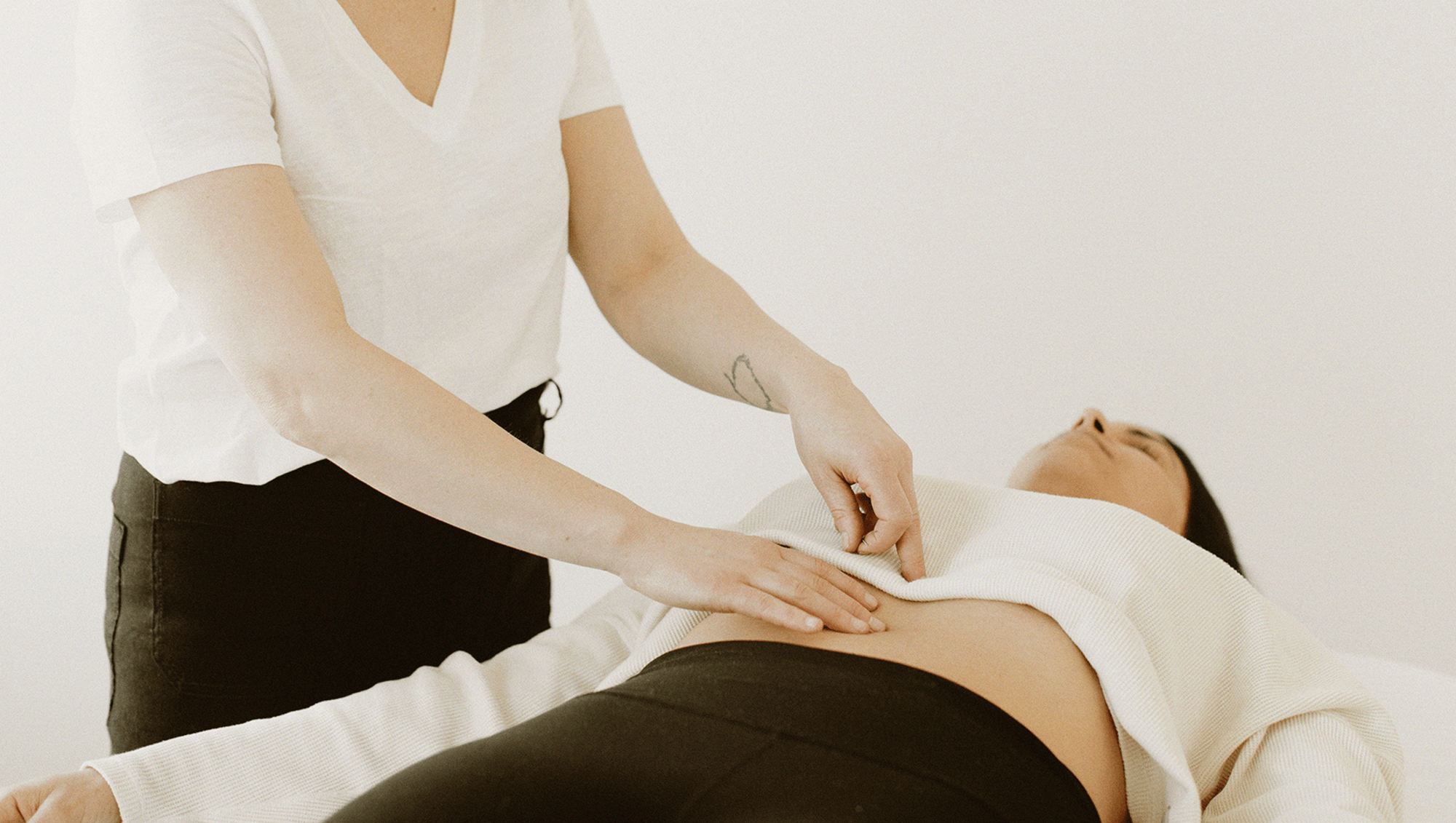
PELVIC FLOOR ACUPUNCTURE + DRY NEEDLING
If your pelvic floor is causing you pain, trouble in the bathroom, or problems in the bedroom, structured treatment can help.
Pelvic floor dysfunction is common. It affects women and men, it shows up in a lot of different ways, and it responds well to the right kind of treatment.
We offer a pelvic floor treatment program using acupuncture, dry needling, and neuromuscular techniques. It's structured, it has a timeline, and it's designed to get you lasting results rather than temporary relief.

WHAT IS PELVIC FLOOR DYSFUNCTION?
Your pelvic floor is a group of muscles that runs from your pubic bone to your tailbone. These muscles support your bladder, bowel, and reproductive organs. They're involved in urination, bowel function, sexual function, and even how you breathe and carry yourself.
When these muscles are too tight, too weak, or not coordinating well, that's pelvic floor dysfunction.
When your pelvic floor is too tight (hypertonic)
This is the most common cause of pelvic floor pain. You might notice:
Pelvic pain or pressure
Painful intercourse, especially with deeper penetration
Difficulty starting urination or feeling like your bladder doesn't fully empty
Constipation or straining with bowel movements
Tailbone pain, particularly when sitting
A sensation of sitting on something (a golf ball, a marble)
Burning or stabbing pain in the pelvic region
Symptoms that get worse with stress
When your pelvic floor is too weak (hypotonic)
Leaking with coughing, sneezing, laughing, or exercise
A feeling of heaviness or bulging in the pelvis
Difficulty holding urine when the urge hits
HOW WE APPROACH TREATMENT
Your pelvic floor doesn't work in isolation. It's the bottom of what's called the core canister, which includes your diaphragm, deep abdominal muscles, back muscles, and pelvic floor. When any part of that system is off, the pelvic floor compensates.
So we don't just treat the pelvic floor. We assess and treat the whole system: hips, core, sacrum, and breathing patterns.
We use a combination of:
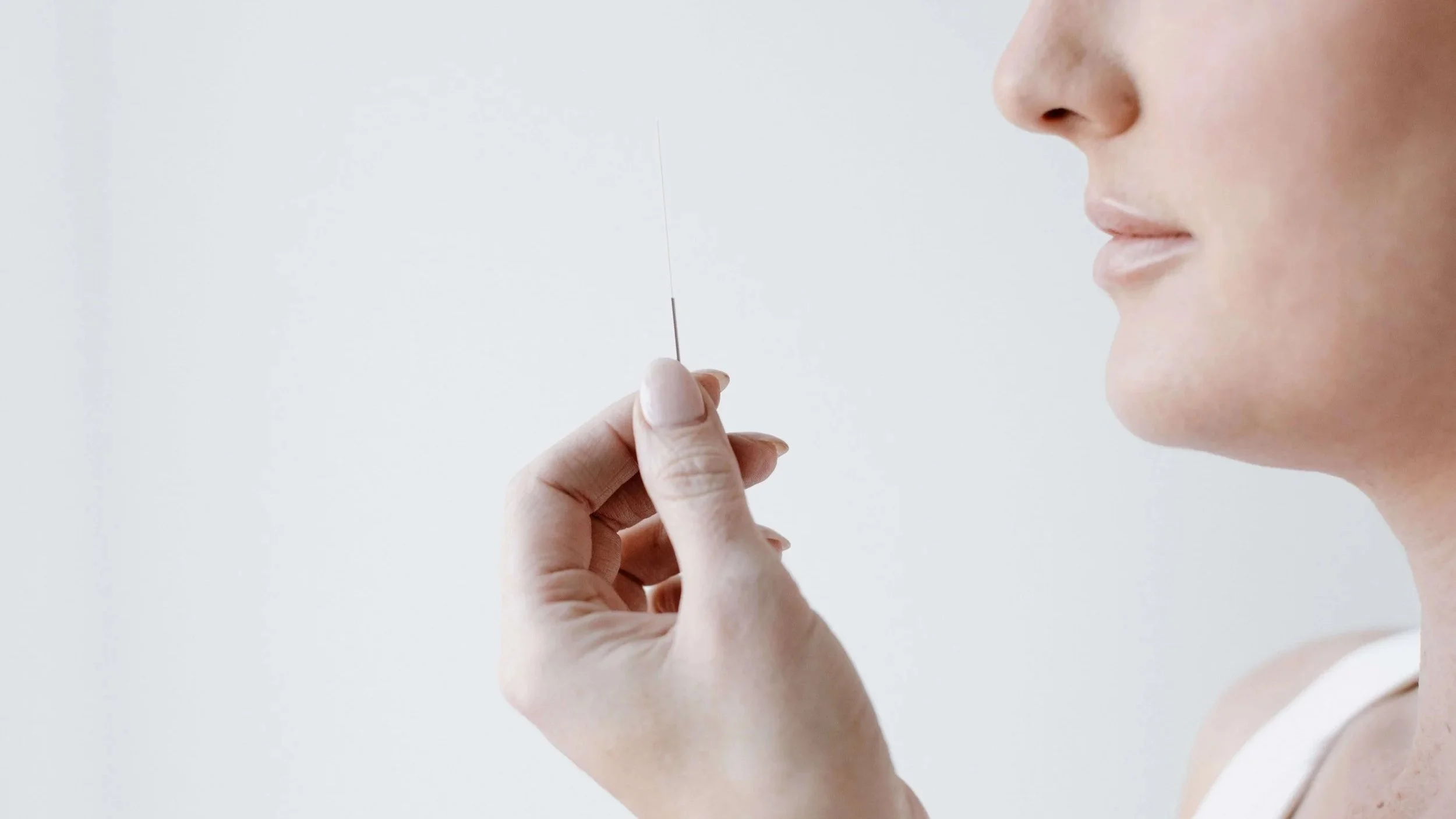
Dry needling to release trigger points in the pelvic floor muscles and surrounding areas like the obturator internus, piriformis, and levator ani
Acupuncture for nervous system regulation and pain modulation
Electroacupuncture for chronic tension, muscle relaxation, and evidence-based neuromodulation protocols
Breathing retraining because diaphragm function and pelvic floor function are directly connected
Treatment varies session to session depending on what we're addressing. Some sessions focus on hips, glutes, sacrum, and abdomen. As we progress, we may work closer to the pelvic floor directly. Most treatment is done side-lying. We walk you through everything as we go and check in throughout.
CONDITIONS WE TREAT
-
Chronically tight pelvic floor muscles that can't relax. Treatment focuses on releasing trigger points, retraining breathing patterns, and calming the nervous system. This is a systemic issue, so we address the whole body, not just the pelvic floor.
-
Deep pain during intercourse is often caused by trigger points in the obturator internus, a hip rotator muscle that directly affects the pelvic floor. Dry needling this muscle externally can produce significant relief, especially when combined with levator ani and piriformis treatment.
-
Tailbone pain that makes sitting difficult. This is often caused by tension in the levator ani and coccygeus muscles, which refer pain to the coccyx even when the coccyx itself isn't injured. We treat the muscles causing the referred pain.
-
Chronic aching, pressure, or pain in the rectum or coccyx area. The levator ani is the primary muscle of the pelvic floor and one of the most common sources of chronic pelvic pain. Treatment involves dry needling, sacral foramen acupuncture, and breathing retraining.
-
Generalized tension that doesn't resolve on its own. This calls for a comprehensive approach: levator ani, obturator internus, piriformis, abdominal trigger points, and breathing work.
-
Nerve pain from compression or irritation of the pudendal nerve. Burning, stabbing, or shooting pain in the genitals, perineum, or rectum. The obturator internus muscle runs along Alcock's canal where the pudendal nerve travels, and releasing this muscle can relieve the entrapment. Pudendal neuralgia is complex and often requires 20+ sessions, usually alongside a pelvic floor PT.
-
We use Posterior Tibial Nerve Stimulation (PTNS), an evidence-based neuromodulation protocol with a 50-80% success rate for overactive bladder. It involves 12 weekly electroacupuncture sessions using a specific point near the ankle to modulate the nerves that control bladder function.
-
These are complex conditions that require a long-term, layered approach. Treatment involves fascial work, sacral foramen acupuncture, adductor release, and breathing retraining. They take time (16+ weeks minimum) and typically benefit from concurrent work with a pelvic floor PT.
-
When the pelvic floor muscles can't relax properly, they can prevent normal bowel function. We focus on releasing the levator ani and anal sphincter, treating abdominal trigger points, and retraining the muscles to let go.
-
Endometriosis creates trigger points in the abdominal wall and pelvic floor through a process called viscerosomatic convergence. Treating these myofascial trigger points, especially in the rectus abdominis and obliques, can meaningfully reduce pain even alongside systemic treatment for the endometriosis itself.
HOW WE PLAN YOUR TREATMENT
Pelvic floor conditions need consistent treatment to improve. Depending on the condition, that means somewhere between 6 and 20+ sessions. We've built a structured program around that so you have a clear plan from the start.
Assessment. Your first session is a comprehensive evaluation. We look at your history, breathing patterns, posture, hip mobility, and do external palpation to understand what's happening.
Your plan. Based on your assessment, we recommend a treatment timeline. You'll know how many sessions, how often, and what we're targeting.
Treatment. Weekly sessions using dry needling, acupuncture, electroacupuncture, and breathing retraining.
Progress check. Midpoint reassessment to see how things are tracking and adjust if needed.
Maintenance. Once your protocol is complete, monthly sessions keep your results over the long term.
We offer treatment packages at different levels depending on your condition. Your provider will recommend the right one.
WHAT TO EXPECT
your first visit
A comprehensive assessment including your history, breathing patterns, posture, hip mobility, and external palpation. We may begin treatment at the first visit depending on what we find.
follow-up visits
Targeted treatment based on your plan. Some soreness after sessions is normal and usually resolves within a day or two.
between SESSIONS
Your provider will give you breathing exercises and guidance to support your treatment between sessions.
COMMON QUESTIONS ABOUT PELVIC FLOOR ACUPUNCTURE
-
Pelvic floor PTs typically work internally and focus on coordination, biofeedback, dilator training, and strengthening. We work externally using dry needling and acupuncture to release muscles, reduce trigger points, and regulate the nervous system. We also treat the full muscular chain that contributes to pelvic floor dysfunction: hips, core, and breathing patterns. Many of our patients see a PT at the same time, and the two approaches complement each other well.
-
Yes, and for complex cases we often recommend it. We're happy to coordinate with your PT.
-
We treat pelvic pain, painful intercourse, tailbone pain, bladder dysfunction, constipation, pelvic floor tension, pudendal neuralgia, vulvodynia, vaginismus, and endometriosis-related pelvic pain in both women and men.
-
Most conditions need 6-20 sessions depending on complexity. Your provider recommends a specific plan after your first assessment.
-
Most sessions involve needling around the hips, glutes, sacrum, and abdomen. Your provider explains everything before doing it and checks in throughout.
-
We offer treatment packages for the full protocol. Your provider walks you through pricing at your assessment. See current pricing.
WHAT PEOPLE ARE SAYING
“Jenna made me feel extremely safe and cared for. Fully dedicated to finding EXACTLY the treatment plan necessary."
— GINA
"Jenna understands how the body works so well."
— joe
“Jenna has found out what my body needed before I even had the words."
— maddie
NOW BOOKING
we’re here when you’re ready.
we’re here when you’re ready.
let’s get you in
Point Prescription | Acupuncture + Wellness in Boulder + Denver
BOULDER
DENVER
Curious about working with us?
Fill out the form below to request a free 15-minute consultation.
©2025 point prescription
Website Design & Development by Hank Makes